
Design Your Home to Guide Your Best Self
From Friction to Flow: The Psychology Behind Household Cues

Salience and Defaults in Plain Sight

Make Good Choices Easy, Less Helpful Ones Inconvenient

Habit Stacking with Context Anchors
A Kitchen That Whispers 'Eat Well'
01
Rearrange the Fridge Like a Billboard for Greens
Place washed vegetables and ready-to-eat salads front and center in transparent bins. Tuck desserts behind containers you must move. Keep a sharp knife, compost bowl, and cutting board ready so prep starts instantly. Visibility and reachability transform intentions into bites, especially when evenings feel rushed and foggy.
02
Smaller Plates, Smarter Servings, Fewer Mindless Refills
Default to modest plates and serve vegetables first, proteins second, starches last. Pre-portion dressings and sauces to tame portion creep. Keep serving dishes off the table to discourage autopilot seconds. These micro-designs add up, supporting satiety cues while preserving delight, conversation, and a relaxed, celebratory mood.
03
Snack Stations That Meet Cravings Halfway
Rather than pretend cravings disappear, stage balanced options where snacking happens. Pair nuts with fruit, yogurt with cinnamon, popcorn with tea. Use clear jars for wholesome picks and opaque containers for treats. Labels, scoops, and bowls pre-set the portion story, gently guiding hands without policing joy.
Taming Screens With House Rules That Enforce Themselves
A Charging Dock That Signals 'Not Now'
Establish a visible 'phone parking' spot far from beds and dining surfaces. Charge devices there by default, with spare cables elsewhere removed. Pair the dock with an inviting analog activity nearby—journals, puzzles, or cookbooks—so every pickup moment becomes a chance to choose presence over pings.
TV and Apps Curated by Intention, Not Autoplay
Sign out of time-sink services, move their icons to a hidden screen, and highlight learning or family profiles on the first row. Disable 'next episode' and enable watchlists. Keep remotes in a drawer with a book above them, turning browsing pauses into meaningful detours toward curiosity.
Bedroom Boundaries That Protect Quiet Minds
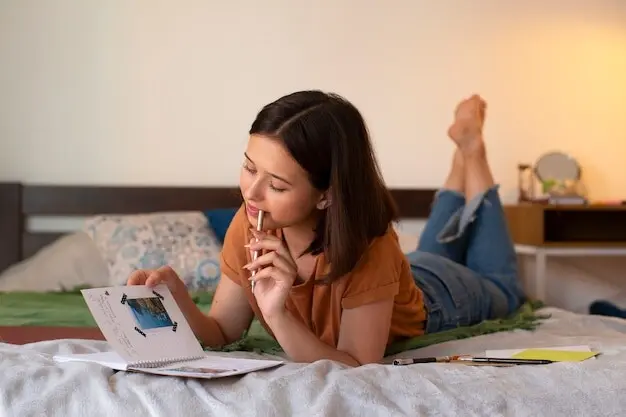
Place an alarm clock across the room, park chargers outside, and keep blackout shades easy to reach. Replace doomscroll time with a 'wind-down basket' of stationery, novels, and lip balm. The room begins to cue calm automatically, helping your nervous system unhook before sleep.
Move More Without Trying Harder
Make Movement the Path of Least Resistance

Prime Your Morning With Ritual Prompts
Design for Deep Sleep and Real Recovery
Shared Spaces, Shared Nudges
Family Defaults Everyone Can Live With
Post a whiteboard meal plan, keep fruit bowls full near backpacks, and set shared playlists for tidy-up sprints. Create a 'Friday free-choice' window that relaxes rules predictably. By anchoring expectations in objects and schedules, conversations stay warm, accountability feels fair, and energy returns to what matters.
Kid-Friendly Cues That Grow Capable Habits
Lower hooks for coats, color-code bins, and place chore cards where actions happen. Use timers as playful races, not scolds. Celebrate 'attempts,' not perfection. When children can read the room without prompts, they practice autonomy daily, lightening adult load while building pride and durable self-trust.
Visible Progress and Agreements That Encourage Follow-Through
Hang habit trackers, hydration charts, or gratitude walls in shared sightlines. Sign simple agreements—like weekend phone stacks or walk-after-dinner pledges—and place the enabling objects nearby. When progress becomes a public, encouraging artifact, momentum snowballs, and mutual support replaces nagging almost automatically, even during stressful seasons.
All Rights Reserved.